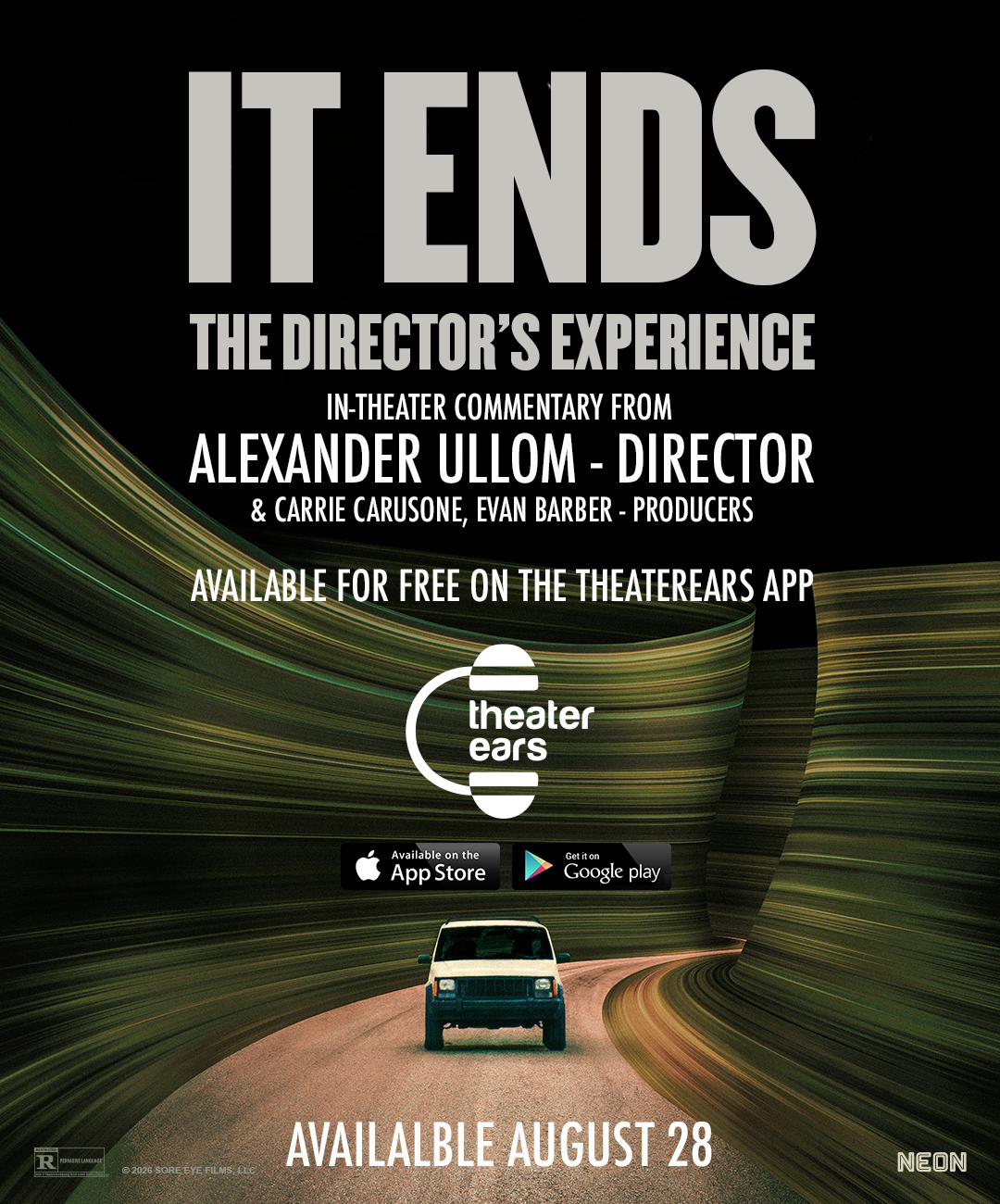
🎬 Top 10 Movies with the Best Director’s Commentary (Ranked): The Films That Reveal Their Secrets
Most people watch a movie once and move on.
But for true film lovers, the real experience often begins the second time — with the director’s commentary turned on.
That’s where films open up. Where decisions are explained. Where mistakes are admitted. Where genius becomes visible.
The best commentary tracks don’t just explain what you’re seeing — they transform how you see it.
If you’re searching for the best director’s commentary movies of all time, this is the definitive list — expanded with real insight, anecdotes, and the specific reasons each one is essential listening.
🎥 10. The Social Network (2010) — David Fincher’s Precision Obsession
Director: David Fincher
David Fincher’s commentary for The Social Network feels less like a casual discussion and more like sitting inside the mind of a perfectionist.
Fincher walks through the film with surgical detail, explaining why scenes were shot dozens — sometimes hundreds — of times. He breaks down how subtle performance shifts from actors like Jesse Eisenberg and Andrew Garfield changed the emotional tone of entire sequences.
One of the most fascinating aspects is his discussion of rhythm. Fincher explains how dialogue-heavy scenes were cut almost like music, with pacing designed to mirror tension between characters. He also dives into digital cinematography — including how he manipulated lighting and color to create a cold, detached atmosphere that reflects Zuckerberg’s emotional distance.
What makes this commentary essential is its discipline. Fincher doesn’t romanticize filmmaking — he presents it as a craft built on repetition, control, and relentless refinement.
For filmmakers, it’s a masterclass. For fans, it’s a revelation.
🧠 9. Fight Club (1999) — Chaos, Controversy, and Cultural Rebirth
Director: David Fincher
If The Social Network commentary shows Fincher the technician, Fight Club reveals Fincher the provocateur.
Throughout the track, he openly discusses the studio battles that defined the film’s production. He recalls executives who didn’t understand the story, marketing campaigns that misrepresented it, and early audience reactions that ranged from confusion to outright rejection.
Fincher also explains specific visual tricks — like subliminal flashes of Tyler Durden — and how they were deliberately designed to manipulate the viewer subconsciously.
Perhaps most interesting is his reflection on the film’s legacy. He acknowledges that Fight Club was misunderstood at release but eventually found its audience, becoming one of the defining cult films of its generation.
It’s not just commentary — it’s a case study in how bold filmmaking survives resistance.
🎬 8. Get Out (2017) — Jordan Peele’s Layered Storytelling
Director: Jordan Peele
Jordan Peele’s commentary on Get Out is dense with intention.
He methodically breaks down the symbolism embedded in nearly every frame — from the use of teacups and spoons to the significance of silence in key moments. Peele also reveals alternate endings that were considered, including a much darker version that would have completely changed the film’s message.
One of the most compelling anecdotes involves audience psychology. Peele explains how he carefully structured tension to keep viewers slightly ahead of the protagonist, creating a sense of dread that builds throughout the film.
He also speaks candidly about the real-world influences behind the story, grounding the horror in social reality.
This is commentary that rewards attention. Every detail adds another layer.
🧩 7. Inception (2010) — Building Dreams with Logic
Director: Christopher Nolan
Christopher Nolan’s commentary on Inception is essential for anyone who’s ever asked, “Wait… how does this actually work?”
Nolan carefully walks through the architecture of the dream layers, explaining how each level was designed not just visually, but structurally within the screenplay. He discusses how exposition was woven into dialogue without overwhelming the audience — a balance that took multiple rewrites.
One standout moment is his explanation of practical effects, including the rotating hallway fight scene. Nolan emphasizes his preference for real, physical environments over CGI whenever possible.
But what makes this commentary truly valuable is how Nolan addresses ambiguity — especially the ending. He doesn’t give a definitive answer, but instead explains why ambiguity was essential to the film’s theme.
It’s a rare look into how complexity is carefully engineered.
🕷️ 6. Spider-Man: Into the Spider-Verse (2018) — Reinventing Animation
Creators: Phil Lord & Christopher Miller
This commentary is bursting with energy — much like the film itself.
Lord and Miller, along with the animation team, explain how they intentionally broke the “rules” of animation. They discuss using comic book techniques like halftone dots, split frames, and variable frame rates to create a visual language that felt entirely new.
One of the most fascinating insights is how they embraced imperfection. Instead of smoothing out animation, they leaned into rough edges to give the film personality.
They also reveal how Miles Morales’ story was shaped to reflect identity, culture, and growth — making the film resonate far beyond superhero fans.
It’s not just informative — it’s inspiring.
🌌 5. Interstellar (2014) — Science Meets Emotion
Director: Christopher Nolan
The Interstellar commentary is where science and storytelling collide.
Nolan discusses his collaboration with physicist Kip Thorne, explaining how real theoretical physics influenced everything from black hole visuals to time dilation.
But what’s most striking is how often Nolan returns to emotion. He explains that the film’s core isn’t science — it’s the relationship between a father and daughter.
He also addresses criticism of the film’s complexity, acknowledging that some audiences weren’t ready for its blend of hard science and emotional storytelling.
Listening to this commentary makes the film feel more grounded — and more human.
🎭 4. Pulp Fiction (1994) — Tarantino’s Love Letter to Cinema
Director: Quentin Tarantino
Tarantino’s commentary is pure personality.
He jumps between topics with enthusiasm, referencing obscure films, actors, and genres that influenced Pulp Fiction. He explains how the nonlinear structure came together and why certain scenes — like the iconic diner finale — were placed where they were.
One of the best parts is his discussion of dialogue. Tarantino reveals how he writes conversations to feel musical, with rhythm and repetition driving engagement.
This isn’t just commentary — it’s a celebration of filmmaking itself.
🧟 3. Shaun of the Dead (2004) — Precision Comedy
Director: Edgar Wright
Edgar Wright’s commentary is a blueprint for comedic filmmaking.
He meticulously explains how visual jokes were constructed — from background gags to match cuts that transition seamlessly between scenes.
One standout insight is how Wright uses repetition. He breaks down how early scenes mirror later ones, creating comedic payoff through structure.
He also shares production challenges, including budget limitations that forced creative solutions.
It’s one of the most technically detailed — and entertaining — commentary tracks ever recorded.
🎥 2. The Lord of the Rings: The Fellowship of the Ring (2001) — The Ultimate Filmmaking Archive
Director: Peter Jackson
Few films offer commentary at this scale.
Peter Jackson and his team provide multiple tracks covering every aspect of production — from writing and directing to costume design and visual effects.
Jackson shares stories about shooting in New Zealand, building Middle-earth from scratch, and managing one of the most ambitious productions in film history.
What makes it extraordinary is the depth. No detail is too small.
This isn’t just commentary — it’s an encyclopedia of filmmaking.
🏆 1. Blade Runner (1982) — Ridley Scott’s Vision, Fully Explained
Director: Ridley Scott
Ridley Scott’s commentary on Blade Runner is widely considered the gold standard.
He walks through the film scene by scene, explaining the philosophy behind its design — from lighting choices to thematic ambiguity.
Scott also addresses production struggles, including studio interference and multiple versions of the film.
Perhaps most importantly, he clarifies the film’s central mystery in a way that reshapes how viewers interpret the story.
This is commentary that doesn’t just enhance the film — it completes it.
⭐ Honorable Mention: Star Wars: Episode IV – A New Hope — George Lucas and the Birth of a Galaxy
Director: George Lucas
George Lucas’ commentary on Star Wars is essential listening for anyone interested in the origins of modern blockbuster filmmaking.
Lucas speaks candidly about:
budget constraints
studio skepticism
technical limitations
He explains how groundbreaking techniques — like motion control photography and sound design — were developed out of necessity.
One of the most fascinating aspects is how uncertain the project was. Lucas admits he wasn’t sure the film would succeed and even stepped away during parts of post-production due to stress.
Hearing him reflect on what would become one of the most influential films of all time adds a layer of historical weight that few commentaries can match.
🎬 Final Thoughts: Why Commentary Tracks Still Matter
Director’s commentary is one of the last places where filmmakers speak directly — without filters.
It reveals:
the process
the struggles
the decisions
And for movie lovers, it offers something rare:
👉 a deeper understanding of the art form.
🍿 Bottom Line
The best director’s commentary movies aren’t just films — they’re experiences within experiences.
Turn the commentary on, and you’re no longer just watching.
You’re learning.
And once you do that?
You may never watch movies the same way again.