7 Hidden Star Wars Easter Eggs Jon Favreau Reveals in The Mandalorian and Grogu Commentary
The Mandalorian and Grogu Gets Even Better When Jon Favreau Starts Talking
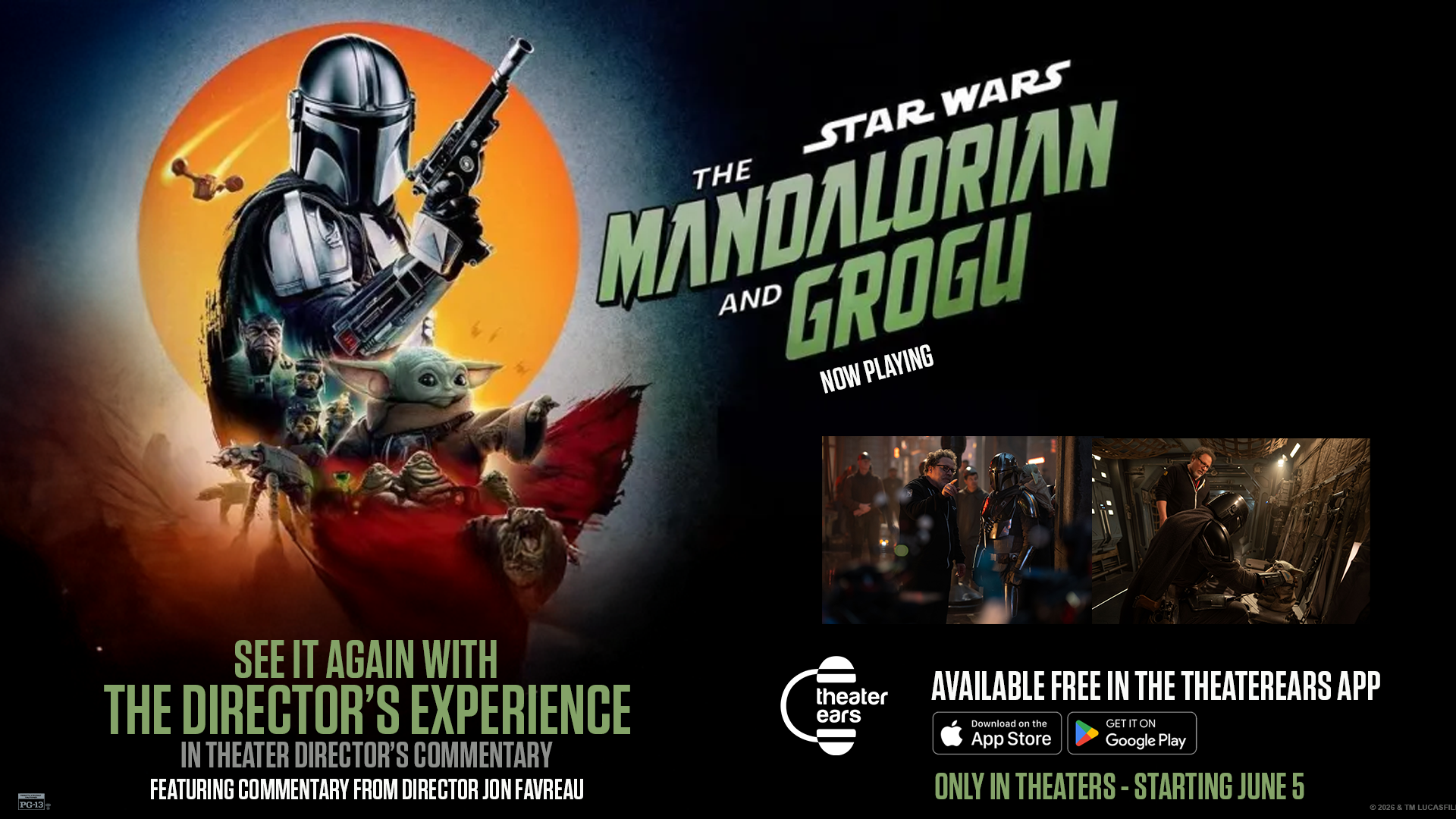
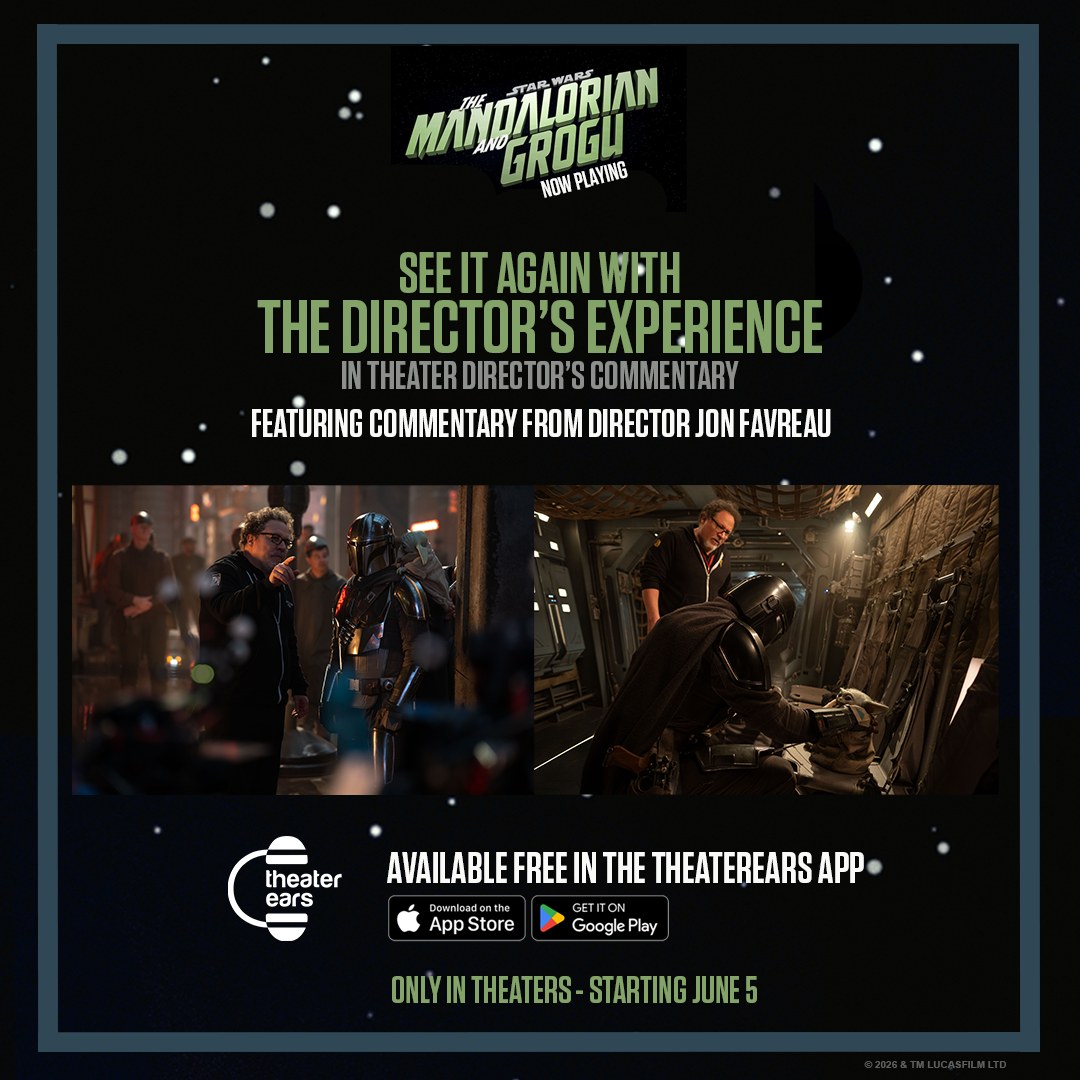
When TheaterEars announced that Star Wars: The Mandalorian and Grogu would become the next film in its Director's Experience series, many fans probably expected a traditional director's commentary track.
What they got instead was something much more entertaining.
Jon Favreau's synchronized in-theater commentary doesn't simply explain how scenes were filmed. It transforms The Mandalorian and Grogu into a treasure hunt packed with hidden references, production secrets, Star Wars lore, filmmaking stories, and Easter eggs that even longtime fans may have missed the first time around.
In many ways, the commentary becomes a second movie layered on top of the first.
And for Star Wars fans, that's exactly what makes it worth experiencing.
A Director's Commentary Built for Star Wars Fans
The challenge with most director commentaries is that they often appeal primarily to filmmakers.
Favreau wisely avoids that trap.
Instead of spending long stretches discussing technical filmmaking processes, he focuses on the stories behind the stories.
Throughout the film, he constantly points out references to earlier Star Wars projects, explains why certain creative decisions were made, and reveals surprising inspirations that influenced the movie.
The result feels less like a film-school lecture and more like sitting next to the world's biggest Star Wars fan while watching the movie.
For a franchise built on decades of interconnected storytelling, that approach works remarkably well.
The Phantom Menace Connection Most Fans Never Noticed
One of the most fascinating revelations involves a subtle visual callback to Star Wars: Episode I – The Phantom Menace.
According to Favreau, the laser barriers featured in the gladiatorial arena sequence were directly inspired by the laser gate sequence from the famous "Duel of the Fates" battle between Obi-Wan Kenobi, Qui-Gon Jinn, and Darth Maul.
It's the kind of detail many viewers would never consciously identify.
Yet once Favreau points it out, the inspiration becomes impossible to ignore.
Moments like this are where the commentary truly shines.
The Improvised Line Everyone Loves
Another standout moment comes when Favreau reveals that one of the film's most memorable jokes wasn't even in the script.
The now-beloved line "Big pipe, huh?" was reportedly improvised during production and ultimately became one of the most quoted moments in the movie. Favreau credits the performance for helping create the scene's comedic charm.
These are exactly the kinds of stories fans hope to hear in a commentary track.
Not only does it make the scene funnier in retrospect, but it also reminds viewers how much movie magic can happen unexpectedly on set.
George Lucas Is Still Influencing Star Wars
Perhaps the most surprising revelation involves George Lucas himself.
Favreau explains that he reached out to the Star Wars creator to obtain approval for the use of the legendary Red Jammer starfighter model—a design originally created decades ago but never properly used on screen. With Lucas's blessing, the production incorporated the ship into the film.
For hardcore Star Wars enthusiasts, this may be one of the coolest stories in the entire commentary.
It demonstrates how Favreau continues to treat the franchise's history with enormous respect while simultaneously expanding it.
Hidden Connections to Video Games, Animation, and Expanded Lore
The commentary also reveals how many corners of Star Wars history influenced the movie.
Favreau discusses drawing inspiration from the video game Star Wars Jedi: Fallen Order for portions of the film's action design. He also explains how elements of Nal Hutta were influenced by previous Star Wars graphic novels and expanded-universe storytelling.
For fans who enjoy seeing connections between movies, television shows, games, books, and animation, these insights add an entirely new layer to the viewing experience.
The film begins to feel like a celebration of the entire Star Wars universe rather than just another standalone adventure.
Edgar Wright's Surprising Influence
One of the most unexpected stories involves acclaimed filmmaker Christopher Nolan? No.
Edgar Wright.
Favreau reveals that Wright attended an early screening and suggested introducing the villain Embo earlier in the film.
That note ultimately changed the structure of the movie and helped build tension long before the character's major appearance.
It's a fascinating example of how movies continue evolving even after principal photography is complete.
And it's exactly the sort of behind-the-scenes insight audiences rarely get to hear.
The Luke Skywalker Callback Added at the Last Minute
Star Wars fans are famously attentive to continuity.
Favreau clearly understands this.
During the commentary, he reveals that one of the movie's Luke Skywalker references involving Grogu was added during filming rather than being part of the original plan.
The moment subtly connects Grogu's ongoing development to the Jedi training he previously received from Luke, creating another thread between the Disney+ series and the theatrical film.
It's a small detail.
But in Star Wars, small details often become fan favorites.
Why The Commentary Works So Well
The biggest surprise isn't any individual Easter egg.
It's how naturally the commentary integrates with the movie.
Favreau doesn't talk constantly.
He chooses his moments carefully.
He lets scenes breathe when they need to breathe. He allows emotional moments to land. Then, when the timing is right, he provides context that enriches what viewers are seeing on screen.
That balance is critical.
The commentary never feels like an interruption.
Instead, it feels like an enhancement.
A New Way to Experience Movies
The Director's Experience represents something audiences haven't really had since the DVD era.
For years, director commentaries were one of the most beloved bonus features available to movie fans.
But as physical media declined, those experiences largely disappeared.
Now, through TheaterEars, that experience has been brought back to theaters in a way that actually feels modern.
Rather than waiting months for a Blu-ray release, audiences can hear Favreau discuss the film while they're watching it on the biggest screen possible.
It's a surprisingly natural experience—and one that feels particularly well-suited to franchise filmmaking.
Final Verdict
Jon Favreau's Director's Experience for The Mandalorian and Grogu is more than a commentary track.
It's a guided tour through the creative process behind one of the year's biggest Star Wars films.
Between the hidden Phantom Menace references, George Lucas stories, improvised jokes, Luke Skywalker callbacks, video game inspirations, and countless other Easter eggs, the experience adds meaningful value for both casual viewers and hardcore fans.
Most importantly, it succeeds at something many bonus features fail to do.
It makes you want to watch the movie again.
Rating: 4.5 out of 5 stars
For Star Wars fans, this may be the closest thing to having Jon Favreau sitting in the seat next to you explaining every hidden secret he tucked into the galaxy far, far away.